
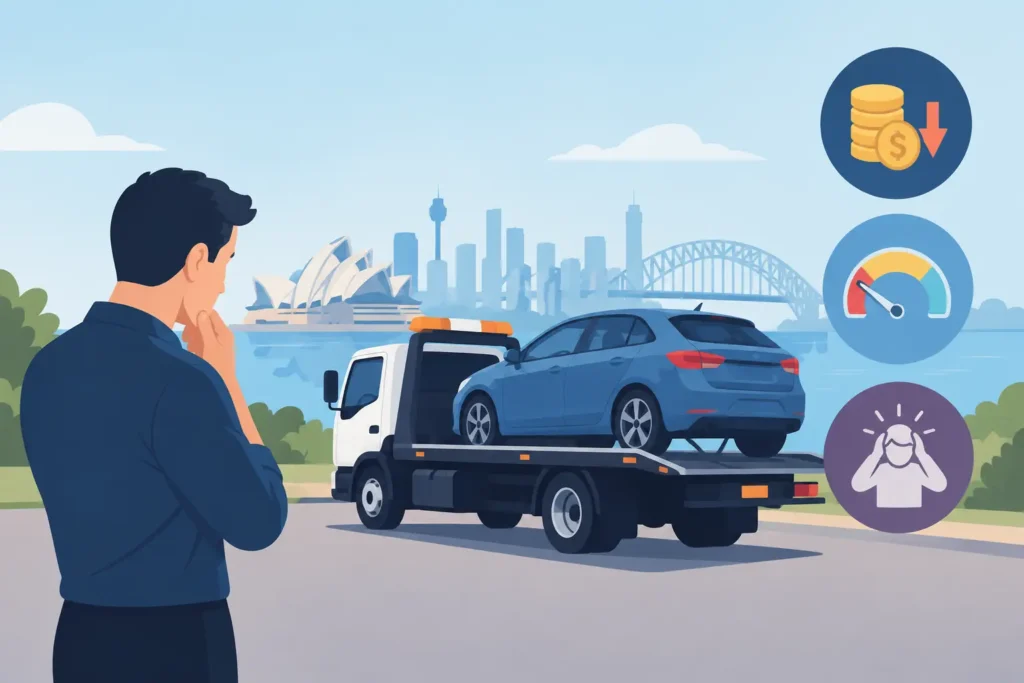
The repossession consequences Australian borrowers face can feel frighteningly final: a car gone from the driveway, a home sale underway, or business equipment taken when cash flow has already dried up. But repossession is not the end of your financial story. What happens next depends on the loan, the security involved, what the asset sells for and, crucially, how quickly you act.
The first thing to know is that losing the asset does not automatically wipe the debt. In many cases, the lender sells the secured asset and applies the sale proceeds to your loan balance. If there is still money owing after the sale and costs, you may be left with a shortfall debt. That is where a clear strategy and direct negotiations can make a real difference.
What repossession means in Australia
Repossession usually happens when a borrower falls behind on a secured loan. The lender holds security over an asset, such as a car, machinery, a boat or other financed goods. If the loan remains in default after the required process has been followed, the lender may take possession of the asset and sell it to recover what is owed.
For a mortgage, the process is different in practical terms. A bank does not simply turn up and take a house. It may issue default notices, begin legal proceedings and seek to take possession before selling the property. The timeframe and exact legal requirements vary between states, territories, loan documents and the type of borrower.
A repossession should not come without warning. You may receive missed-payment reminders, hardship correspondence, a default notice or contact from collections. Do not ignore these letters, even if opening them makes your stomach drop. They tell you what the lender says is overdue, what you need to do and the deadline that may apply.
The immediate consequences of repossession
The most obvious impact is losing access to the asset. If it is your car, getting to work, school drop-off, medical appointments or job sites can become a daily problem. For a self-employed person, losing a ute, tools or machinery can interrupt the income needed to catch up in the first place.
There can also be costs added to the loan. Depending on the agreement and circumstances, these may include enforcement, towing, storage, legal and sale costs. The lender must still act appropriately, but a forced sale can be expensive and may not achieve the price you would have hoped for in a private sale.
That sale price matters. Say you owe $28,000 on a vehicle, and it sells for $20,000 after costs. The remaining balance may still be pursued as an unsecured debt. With a home loan, a mortgage shortfall can be much larger, particularly where property values have fallen, there are multiple loans secured against the property, or sale costs have mounted up.
This is why handing back the keys is rarely a complete solution. Voluntarily surrendering an asset may reduce the stress of a physical repossession, and it can sometimes reduce costs, but it does not necessarily remove responsibility for the loan shortfall. Before agreeing to anything, understand the numbers in writing.
Credit report and borrowing impacts
A repossession can damage your ability to borrow, refinance, rent or obtain services on credit. The underlying missed repayments, default listing and collections activity may appear on your credit report where reporting rules allow. A serious credit infringement may also be recorded in some circumstances.
The effect is not identical for everyone. It depends on what has been reported, how recent it is, your wider credit history and the policies of the lender assessing you. Still, a repossession or loan default can make it harder to obtain another car loan, credit card, mortgage or business finance at an affordable rate.
The impact can follow you well beyond the day the asset is taken. A credit default may generally remain on a report for five years, while other credit reporting information has different retention periods. If you believe information on your report is wrong, it is worth challenging it promptly. If it is accurate, focus on resolving the debt and rebuilding stable financial habits rather than applying for more credit in panic.
Repossession consequences Australian families often miss
The financial pressure rarely stays contained to one loan. A repossession can trigger practical and emotional consequences across the household. Transport becomes harder, work hours can be affected, and the worry of calls or letters can strain relationships. If you have children, the uncertainty can be particularly heavy.
Guarantors may also be exposed. If someone guaranteed the loan, the lender may seek payment from them under the guarantee, subject to its terms and the relevant law. That can turn a personal financial problem into a painful family issue, especially where parents have guaranteed a child’s business or home loan.
For business owners, the position can be more complex again. Equipment finance, personal guarantees, tax debt, trade creditors and property loans often overlap. A lender taking one secured asset can affect operations and expose weaknesses in the rest of the business. Treating each demand separately can lead to rushed decisions. Looking at the full financial position gives you more room to negotiate a workable outcome.
You may still have options before a sale
If repossession is threatened or has already happened, time matters. Contacting the lender early can open up options that are much harder to access after the asset has been sold. You may be able to ask for a hardship arrangement, a repayment variation, a temporary pause, more time to sell the asset yourself, or a negotiated settlement of the balance.
Whether an option is realistic depends on your income, essential living costs, other debts, equity in assets and ability to sustain a revised payment. A repayment arrangement that looks good on paper but leaves no money for food, rent, fuel or BAS obligations will usually fail. The aim is not to make a promise you cannot keep. It is to put forward a proposal that has a genuine chance of holding.
For a property at risk, selling by agreement can sometimes provide more control than a mortgagee sale. You may have greater input into the timing and presentation of the property, and you may achieve a better price. It is not always possible, particularly where deadlines are tight or the lender will not agree, but it should be considered early.
If the asset has already been taken, ask for an up-to-date statement showing the arrears, full loan balance, fees and any sale arrangements. Once the asset is sold, request a clear breakdown of the sale proceeds and the amount the lender says remains owing. Do not assume the figure is correct simply because it appears on a demand.
What to do when you receive a repossession notice
Start by gathering the facts. Put your loan agreement, recent statements, notices, bank statements, payslips or business financials and a list of all debts in one place. This is not about judgement. It is about seeing the real picture before the pressure forces a decision.
Then work out what you can genuinely pay. Include rent or mortgage costs, groceries, utilities, insurance, fuel, childcare, medical costs and tax obligations. If your income varies, use a cautious estimate rather than your best month.
Next, respond to the lender. Keep records of phone calls and confirm important discussions in writing. If the lender has offered a hardship process, use it. If you disagree with a figure, sale process or notice, seek independent advice quickly, as formal time limits can apply.
Avoid taking out a high-cost loan just to stop an immediate crisis unless you understand exactly how it will be repaid. Replacing one unaffordable debt with a more expensive one can deepen the problem. The right move may be a negotiated arrangement, a sale plan, debt settlement discussions or a broader restructure across several creditors.
Getting a plan around the shortfall
A shortfall debt is often where borrowers feel most trapped. The asset is gone, but the calls continue. You do not have to accept an unaffordable repayment demand without asking questions or putting forward an alternative.
A properly prepared debt strategy can assess the shortfall alongside your other liabilities and identify what is sustainable. In some situations, creditors may consider a reduced settlement, instalments, a pause while an asset is sold, or a coordinated arrangement that gives you room to stabilise. Outcomes depend on the facts, the lender and the evidence supporting your position, so no one should promise a result before reviewing the file.
Debt Australia helps Australians facing mortgage stress, vehicle finance problems, business debt and multi-creditor pressure understand their position and negotiate directly with lenders. The focus is on practical alternatives to simply giving up, including pathways that may help avoid bankruptcy where that is achievable.
If repossession is keeping you awake, take a breath and deal with the next right step: get the documents together, understand the numbers and ask for help before the situation moves further. You deserve clear advice, strong advocacy and a plan that gives you a way forward.