
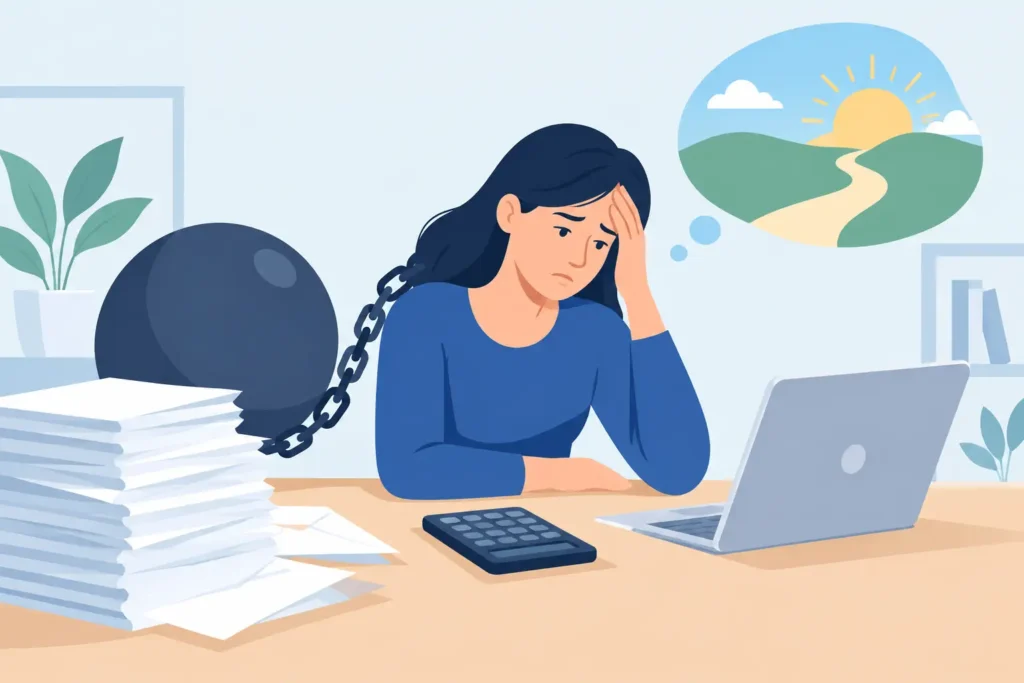
The calls start to feel relentless. A credit card payment is missed, then the home loan rises, then a business invoice arrives late. Before long, you may be moving money between accounts just to keep the next direct debit from bouncing. Debt resolution is the process of stepping out of that cycle with a structured plan to deal with what you owe – rather than trying to survive one repayment at a time.
There is no shame in needing help. Illness, separation, rising rates, a slow season in business, a tenant leaving, or simply the cost of raising a family can change a manageable budget quickly. The key is to act before pressure from lenders, arrears and collection activity narrows your choices.
What debt resolution actually means
Debt resolution is not one product and it is not a promise that every debt will disappear. It is a practical process of reviewing your full financial position, working out what is realistically achievable, and pursuing the strategy that gives you the best chance of stabilising your finances.
For one person, that may mean a hardship arrangement that reduces repayments for a period. For another, it may involve negotiating a settlement on unsecured debts, restructuring loan commitments, selling an asset in an orderly way, or dealing with a mortgage shortfall after a property sale. Business owners may need a plan that addresses tax debts, supplier accounts, personal guarantees and business lending together.
The right approach depends on the numbers, but also on what you need to protect. Your family home, ability to earn an income, business operations and future financial stability all matter. A solution that looks cheap in the short term can create bigger consequences if it leaves you without a workable path afterwards.
The point where waiting becomes costly
Many Australians wait because they expect things to improve next month. Sometimes they do. But if your repayments are regularly being covered by credit, redraws, buy now pay later accounts or another loan, the underlying problem is already asking for attention.
It is time to assess your options when you are missing payments, receiving default notices, using one debt to pay another, or losing sleep over which bill will be paid this week. The same applies if a fixed-rate loan has rolled over at a higher rate, an investment property is draining cash flow, or your business can no longer meet loan repayments from normal trading income.
Early action can create room to negotiate. Lenders generally have hardship processes, but they need clear information and a credible proposal. Once legal action, repossession steps or a forced sale is underway, options can become more urgent and more limited. That does not mean it is too late – it means the strategy needs to be sharper.
A debt resolution strategy starts with the whole picture
Looking at only the loudest creditor rarely fixes a multi-debt problem. An effective assessment brings all obligations into view, including home loans, investment lending, personal loans, credit cards, vehicle finance, business loans, tax obligations, mortgage shortfalls and debts with joint borrowers or guarantees.
It should also consider income, living costs, assets, property equity, business cash flow, upcoming changes and the legal status of each debt. A family with equity in a home has different choices from a renter with mostly unsecured debt. A self-employed borrower may have valuable equipment or receivables but inconsistent income. A property investor may need to weigh up holding costs against the likely outcome of a sale.
This is where generic budgeting advice can fall short. Cutting discretionary spending may help, but it cannot solve a repayment gap of thousands of dollars a month. The goal is not to produce a budget that looks good on paper. It is to establish an arrangement you can genuinely maintain.
Common pathways that may be considered
A practical strategy may include one or more of the following approaches:
- requesting a financial hardship variation, such as a temporary payment reduction, interest-only period, repayment pause or term extension;
- negotiating reduced payments or a full and final settlement for eligible unsecured debts;
- consolidating or refinancing debts where the proposed finance is genuinely affordable and improves the position;
- selling an asset voluntarily and strategically, rather than waiting for a distressed or forced outcome; or
- considering formal insolvency options only after other realistic alternatives have been properly assessed.
Each path has trade-offs. A payment pause can provide breathing room but may increase the total interest paid. Selling a property may be emotionally difficult, yet an orderly sale can preserve more value than a rushed one. A debt settlement may reduce the amount owing, but it can affect your credit report and may not be appropriate where a secured lender can enforce against an asset.
Why negotiation matters in debt resolution
When you are under pressure, it is hard to have a clear conversation with a creditor. You may not know what to ask for, how much detail to provide, or whether an offer is actually sustainable. It is also easy to agree to a repayment amount simply to stop the calls, then fall behind again a few weeks later.
Professional creditor negotiation is about presenting the facts properly and advocating for an outcome based on your circumstances. That can include preparing financial information, communicating with lenders, responding to collection activity and putting forward a proposal that is realistic, documented and aligned with the wider plan.
It is not about making empty promises or avoiding creditors indefinitely. Good negotiation is direct and evidence-based. It recognises that lenders have obligations and processes, while ensuring your situation is not reduced to a computer-generated arrears notice.
For complex matters, having one point of contact can also reduce the mental load. Instead of repeating a painful story to multiple departments, you have a plan and someone helping manage the conversations that need to happen.
Protect yourself from quick-fix promises
Debt stress makes certainty sound attractive. Be cautious of anyone who guarantees they can wipe all debts, tells you to stop speaking with every creditor without explaining the risks, or pushes you into a solution before understanding your income, assets and liabilities.
Ask how fees work, what services are included, what happens if negotiations do not succeed, and how the recommended option could affect your credit file, security over property or future borrowing. If bankruptcy is raised, it should be explained plainly as one option among several, not used as a scare tactic or a default answer.
For Australians seeking representation, it also makes sense to check whether the provider is appropriately licensed or authorised for the services they offer. Debt problems are personal, but the advice and advocacy should still be accountable.
Taking the first step without panic
You do not need a perfectly organised folder to begin. Start by gathering recent loan statements, credit card balances, overdue notices, your income details and a rough picture of essential household or business expenses. If you have received a default notice, statement of claim or repossession warning, keep it somewhere safe and seek help promptly.
Then be honest about the pressure you are under. The aim is not to impress anyone with how long you have kept things afloat. It is to find the point where the plan can become workable again.
At Debt Australia, the focus is on understanding the full situation, building a practical debt-resolution strategy and negotiating with creditors on your behalf. That may mean finding an alternative to bankruptcy, addressing a mortgage shortfall, or creating structure around debts that have become impossible to manage alone.
You deserve more than another month of juggling payments and hoping the phone stays quiet. A clear assessment, an honest strategy and determined advocacy can give you room to breathe easy and make decisions from a position of control.