
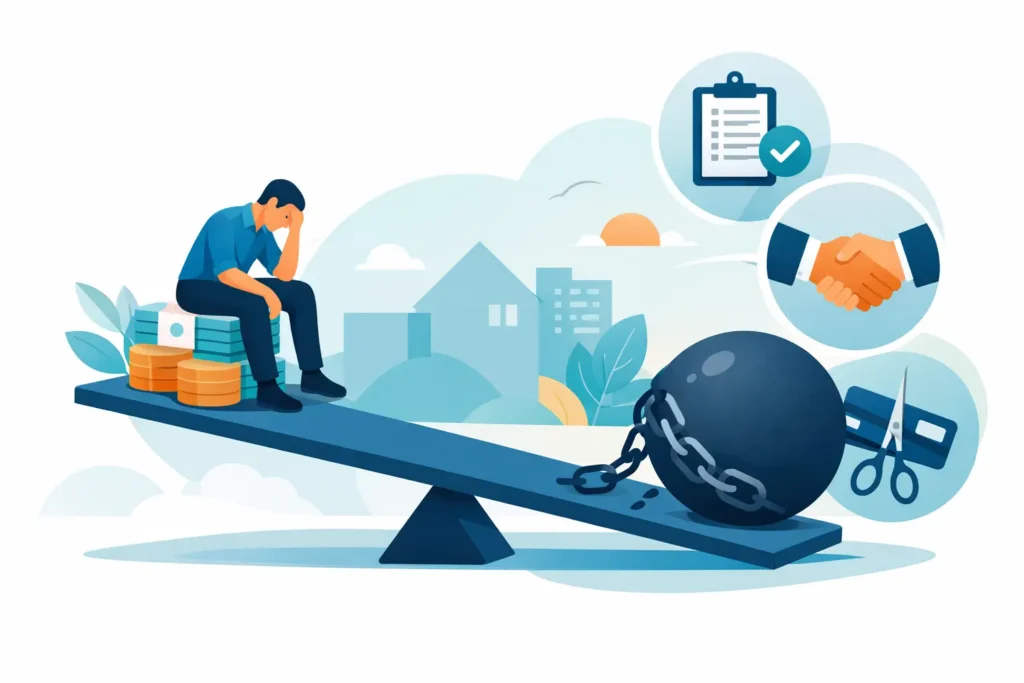
When the mortgage, cards, personal loans and business bills all land at once, debt can stop feeling like a numbers problem and start affecting every part of life. Debt relief is not about avoiding responsibility. It is about putting a workable plan around debts that no longer fit your income, cash flow or circumstances – before pressure turns into crisis.
A missed repayment, a lender’s call or a final notice can bring a lot of shame. It should not. Illness, separation, reduced work, rising interest rates, a slow business season or a property sale that falls short can change a sound financial position quickly. The right next move is to understand the full picture and act early, with clear information and proper support.
What debt relief can look like in Australia
Debt relief is a broad term. It can mean changing repayments for a period, reducing interest or fees, consolidating debts, negotiating a settlement, selling an asset in an orderly way, or restructuring several debts into one practical arrangement. The suitable option depends on what you owe, who you owe it to, what assets are involved and whether your hardship is temporary or ongoing.
For someone with a short-term setback, a hardship arrangement may be enough. A lender might agree to reduced repayments, a repayment pause, an extension to the loan term or a different payment schedule. This can create breathing room while income recovers. It is not a free pass: interest may continue to accrue and a longer loan term can mean paying more overall. But it may prevent arrears from escalating while you regain your footing.
For a person carrying high-interest credit cards and personal loans, a negotiated repayment arrangement or consolidation may make repayments more manageable. Consolidation only helps when the new arrangement genuinely costs less and is paired with a plan not to run up fresh credit. Moving debt around without changing the underlying pressure can simply delay the problem.
Where repayments are plainly unaffordable and there is no realistic path back to the original balance, a negotiated settlement may be considered. Creditors sometimes accept less than the full amount where a lump sum is available or the alternative is a lengthy, uncertain recovery process. Outcomes vary considerably. A settlement can affect your credit file and may have consequences for secured assets, so it needs careful assessment rather than a quick promise made over the phone.
Start with the full financial picture
It is tempting to deal with the loudest creditor first. That can be necessary when a home loan is in arrears or legal action has started, but decisions made in isolation can create fresh problems elsewhere. A proper debt-resolution strategy begins by looking at all liabilities together.
That means listing the balances, interest rates, repayment amounts, arrears, security held over assets, guarantees and any collection or legal notices. It also means being honest about household income, business income, essential living costs, tax obligations, property values and what may change in the next three to 12 months.
This is where the numbers become useful rather than frightening. If there is a genuine monthly shortfall after essentials, no amount of willpower will fix it. The plan has to reduce commitments, increase available income, realise an asset in a controlled way, or use a combination of these steps.
For business owners, separating business debt from personal exposure is especially important. A business loan may be supported by a personal guarantee, the family home, equipment or investment property. Selling an asset may solve one loan but leave a shortfall on another. Before agreeing to anything, understand exactly what is secured, what is guaranteed and what a creditor could pursue.
Speak to creditors before they decide for you
Early contact can make a real difference. Many lenders have financial hardship teams and formal processes for customers whose circumstances have changed. Explain the situation factually, say what you can afford and ask what assistance is available. Keep notes of every conversation, including the date, the person you spoke with and what was agreed.
Do not promise a payment you cannot keep just to end an uncomfortable call. A broken arrangement can reduce trust and place you back under immediate pressure. A smaller payment that is supported by a realistic budget is far more useful than an optimistic figure that fails in two weeks.
If you are being contacted by debt collectors, stay calm and ask for information in writing. Check that the debt is yours, confirm the balance and seek advice before paying money you need for rent, food, utilities or a secured loan. Ignoring correspondence is rarely helpful, particularly if it relates to court documents or a default notice. Open it, note the deadlines and get assistance promptly.
Debt relief options have trade-offs
There is no single debt relief option that is right for every Australian household or business. A repayment pause may protect cash flow now but add to the loan balance. Debt consolidation can simplify several payments but may place unsecured debt against an asset if structured poorly. Selling an investment property may be emotionally difficult, yet an orderly sale can preserve more value than a forced sale after arrears build.
Bankruptcy is sometimes raised when debt feels impossible. It is a formal option, but it can have serious consequences for assets, income, credit access, business activities and future financial choices. It should not be treated as the default answer simply because creditors are applying pressure. In many cases, hardship assistance, negotiated settlements, asset sales, refinancing or structured repayment arrangements deserve proper consideration first.
The same caution applies to companies that advertise instant debt write-offs or guaranteed outcomes. No one can responsibly guarantee what every lender will accept. Be wary of upfront pressure, unclear fees, advice that does not account for your mortgage or business guarantees, or anyone telling you not to communicate with a creditor without explaining the risks.
When professional representation can help
You may be able to handle a simple hardship request yourself. But professional help can be valuable when debts involve several lenders, mortgage arrears, property, personal guarantees, business liabilities, legal notices or a proposed settlement. In these situations, the issue is often not just what you can pay this month. It is how each decision affects the rest of your financial position.
A regulated debt-management provider can assess the situation, prepare a sustainable proposal and negotiate directly with creditors on your behalf. That gives you a clearer structure and may take some of the pressure out of repeated calls and competing demands. Ask who will manage your matter, how fees work, whether they hold an Australian Credit Licence where required, and what outcomes are realistic in your circumstances.
Debt Australia works with Australians facing consumer, mortgage, property and business debt pressure, including complex situations where keeping a key asset or avoiding bankruptcy matters. The focus should always be on a practical path forward, not a one-size-fits-all product.
Take these steps this week
Start by opening every letter, email and lender message you have put aside. Create one list of debts and due dates, then write down your actual income and essential expenses. Contact any creditor where a payment is about to be missed, especially a home-loan lender, and ask about hardship support.
Avoid taking out new high-cost credit to cover old repayments unless you have received independent advice and can see clearly how it improves the position. Put essential living costs first, and do not sell assets, sign a new agreement or accept a settlement under pressure before you understand the consequences.
If the calls are constant, the figures do not add up, or you are losing sleep over what happens next, say g’day to a qualified professional. You do not have to carry the weight of debt on your own, and taking the first honest look at the numbers can be the moment control starts to return.