
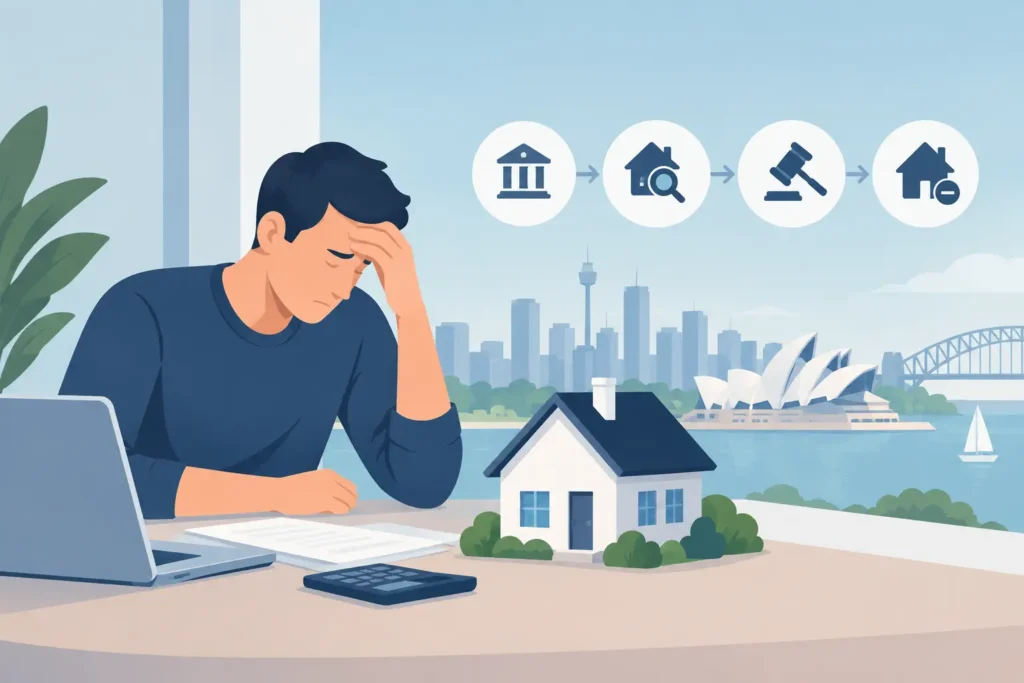
A loan default can make it feel as though everything is moving at once: calls from the lender, letters you are scared to open, a growing balance and the fear of losing your home or business. But knowing what happens after loan default can put you back on firmer ground. Default is serious, but it is not the same as having no options.
The next steps depend on the type of loan, your lender, whether the debt is secured against an asset, and how early you act. A missed repayment does not usually mean a lender can take immediate legal action. There is a process, and there may be practical ways to pause, reshape or resolve the debt before matters escalate.
A missed payment is not always a default
Most loans do not fall into formal default the day a repayment is missed. Your lender may first contact you by phone, email, SMS or letter to ask for the overdue amount. Interest and late fees may continue to build, depending on your loan agreement.
If you are experiencing hardship because of job loss, illness, separation, rising costs, reduced business income or another change in circumstances, this early stage matters. Contacting the lender before the arrears become unmanageable can open the door to a hardship arrangement.
For many regulated consumer loans, including credit cards, personal loans and home loans, the lender generally needs to issue a default notice before taking enforcement action. The notice should set out what is overdue, what you need to do to remedy the default, and the time available to do it. In many cases, you will have at least 30 days to bring the account up to date, although exceptions and different arrangements can apply.
Do not ignore a default notice because you cannot pay the full amount. It is often the point where a clear proposal, supported by an accurate picture of your finances, can make a real difference.
What happens after loan default to your credit report?
A default can affect your credit file, but it does not appear without warning. Before listing a payment default, a credit provider must generally meet specific requirements, including giving you notice that they intend to report it.
For consumer credit, a payment default is typically only reported where the overdue amount is at least $150 and has been overdue for 60 days or more. The lender must also have taken reasonable steps to contact you. A default listing can remain on your credit report for five years, even after you pay the debt.
That can make it harder to refinance, obtain a new credit card, secure vehicle finance or negotiate with a new lender. It may also lead to higher interest rates if credit is available.
Still, a credit default is not a life sentence. Paying or settling the debt changes its status to paid, and a broader debt-resolution plan can help you rebuild financial stability over time. If the listing is incorrect, outdated or resulted from a genuine administrative error, you may be able to dispute it.
Collection activity can become more persistent
After default, your lender may manage the account internally or refer it to a debt collection agency. You may receive more frequent phone calls, emails and letters. That pressure can be exhausting, particularly when you are already trying to keep up with household expenses or business cash flow.
You do not have to accept harassment or unreasonable conduct. Collectors must follow rules about how and when they contact you. More importantly, you do not need to keep repeating your circumstances to different people without a plan.
Once you provide a realistic hardship proposal or appoint a representative to deal with the lender, communication can become more structured. This is often a relief for people who have spent months avoiding their mobile because every call feels like bad news.
What happens after loan default for a home loan?
A home loan default has higher stakes because the property secures the debt. If arrears are not resolved, the lender can take steps to enforce its mortgage. That may eventually include commencing court proceedings, obtaining possession and selling the property to recover the loan balance.
This does not happen overnight. The lender must follow legal and contractual processes, and there are often opportunities to negotiate before a sale occurs. But waiting until possession proceedings have started reduces your room to move and can increase legal costs.
A workable strategy may involve a temporary repayment reduction, interest-only period, arrears capitalisation, loan-term extension, refinancing, a negotiated sale, or another arrangement suited to your financial position. The right option depends on whether the hardship is short-term, whether the property has equity, your current income and the lender’s appetite for a proposal.
Selling a property voluntarily can sometimes be a better outcome than a forced sale, particularly where there is equity to protect. On the other hand, selling without a plan may simply shift the problem if the sale proceeds do not clear the debt. A mortgage shortfall can leave you owing money even after the property is sold.
Unsecured loans can still lead to legal action
Credit card debt, personal loans and unsecured business lending are not backed by a specific asset, but lenders can still pursue recovery. If collection efforts fail, a creditor may issue a letter of demand and begin legal proceedings to recover the debt.
If a court judgment is entered, enforcement options can include a garnishee order against wages or bank funds, a writ against certain assets, or other recovery action allowed in your state or territory. For larger debts, bankruptcy may also be raised by a creditor. That is a serious outcome, but it is not inevitable and should not be treated as the only path forward.
For business borrowers, the position can be more complex. A business loan may be secured by business assets, property or a director’s personal guarantee. If you signed a guarantee, the lender may pursue you personally when the company cannot pay. This is why looking at the full structure of the debt, rather than only the overdue account, is essential.
Act before the lender decides the outcome
The most useful step is to get clear on the numbers. Gather your loan statements, default notices, credit card balances, business debts, property values, income, essential household costs and any guarantees you have signed. It may be confronting, but an accurate picture is the foundation for negotiation.
Then consider whether the issue is temporary or ongoing. If you expect your income to recover within a few months, a short-term hardship arrangement may be enough. If repayments are no longer affordable even after cutting back, you may need a more substantial solution involving debt restructuring, asset sales, settlement negotiations or formal insolvency advice.
Avoid taking out expensive new credit just to cover overdue repayments unless you have carefully assessed the long-term cost. Rolling debt from one account to another can buy time, but it can also leave you with a larger problem and fewer options.
If you have lodged a hardship request or made a complaint with your lender, keep records of everything you send and receive. If the lender does not resolve the matter fairly, you may be able to take the dispute to the Australian Financial Complaints Authority, depending on the loan and circumstances.
You can negotiate from a position of clarity
Default is often treated as a personal failure. It is not. Many Australians fall behind after a change they could not control, while others have carried unsustainable repayments for far too long trying to protect their family, property or business.
The earlier you seek help, the more options may be available. Debt Australia can assess your full financial position, deal directly with lenders and creditors, and work towards a practical resolution that protects what can be protected. You do not have to carry the weight of debt alone. Open the notice, put the figures on the table and take the next step before the pressure decides it for you.